Esophageal Squamous Cell Carcinoma: State-of-the-Art Management
Speaker
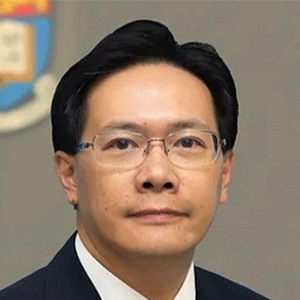 | Simon LAW Chair and Chief Department of Esophageal and Upper Gastrointestinal Surgery The University of Hong Kong, Hong Kong SAR, China |
Talk Abstract
While adenocarcinoma has become the main cell type in Western countries, esophageal squamous cell cancer (ESCC) has remained the most common in Asia, as well as in the world. Patients suffering from adenocarcinomas tend to have chronic gastroesophageal disease (GERD) and tend to be more obese and have cardiovascular co-morbidities, while patients with ESCC are smokers and also suffer from alcohol-related diseases. The more proximally located ESCC and the necessity to perform total mediastinal lymphadenectomy dictates a three-phase approach. In contrast, the more commonly performed procedure in the West is an Ivor-Lewis operation. Lymphadenectomy along the bilateral recurrent laryngeal nerves (RLN) is a focus of surgery for ESCC, while this is only very selectively performed for adenocarcinoma in the West. Surgical techniques have evolved to perform thorough and safe RLN dissection. Intraoperative RLN nerve monitoring has improved the outcome of lymphadenectomy. Whether robotic-assisted esophagectomy (RAMIE) is superior to the conventional thoracoscopic-assisted (VATS) method remains controversial.
Multimodal treatment is likely to diverge more with the cell histologies. Neoadjuvant chemoradiation showed great promise for ESCC, especially with the CROSS and NEOCRTEC 5010 trials. Adenocarcinomas in Asia are often treated more like EGJ / proximal gastric cancers and as such chemotherapy is the backbone of treatment. The advent of immunotherapy has made a huge impact on the choice of multimodal treatment. Biological markers are gaining impetus, such as Her-2, PDL-1 and more recently Claudin in gastric adenocarcinomas. For ESCC, this is lacking.
Much work is required to improve the poor prognosis of ESCC. More large-scale studies are needed to answer many important clinical questions.