Spatial Single-Cell Innovations in Gastric Cancer Research
Speaker
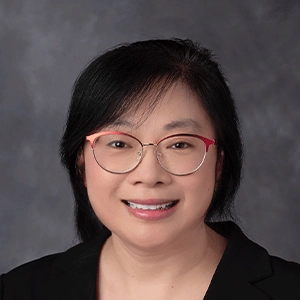 | Linghua Wang Department of Genomic Medicine The University of Texas The University of Texas MD Anderson Cancer Center, USA |
Talk Abstract
Gastric adenocarcinoma (GAC) remains one of the most lethal cancers worldwide due to rapid progression, treatment resistance, and a high metastasis rate. The liver and peritoneum are the most common sites of metastasis, together accounting for approximately 80% of all metastases. Advanced GAC with liver and/or peritoneal carcinomatosis (PC) is associated with a poor prognosis, leading to a 5-year survival rate of less than 5%. Current therapeutic options for advanced GAC following first-line therapy are limited in their effectiveness, and the recent incorporation of immunotherapy has benefited only a small subset of patients. Therefore, a detailed understanding of the tumor and immuno-biology of GAC, from early tumorigenesis to metastasis, could prompt the development of novel, more effective therapies.
Single-cell and spatially resolved multi-omics are powerful technologies that provide unprecedented resolution to examine the highly complex tumor ecosystems and decipher the cellular and molecular landscapes of the TME, as well as characterize the dynamic interactions between cancer and TME cells. Leveraging cutting-edge single-cell and spatial multi-omics technologies and high-plex cellular, molecular, and tissue imaging, Dr. Wang’s group has performed comprehensive characterization of tumor cells and their surrounding microenvironment across various GAC stages, including precancerous lesions, primary GACs, and their matched metastases.
In this talk, Dr. Wang will present her team’s most recent single-cell and spatial studies. She will share their novel discoveries and experience in profiling of the complex GAC ecosystems, including its cellular and molecular heterogeneity, phenotypic plasticity, and interactions between cancer cells and the tumor microenvironment (TME) during tumor initiation, disease progression, and the development of therapy resistance. She will also showcase the innovative use of state-of-the-art bioinformatics tools for in-depth profiling of cancer cell states and immune and stromal remodelling, and conclude the talk with on-going challenges and perspectives in the field.